

As an Indigenous design engineer, I build equity for underserved communities. The iPhone was the product that made me want to become a designer; I’ve spent my career bringing that same clarity and intentionality to healthcare, language revitalization, and community technology. My flagship project, ShockTalk, began with 70+ research sessions across Indian Country — I translated what we heard into interaction flows, community voice and content design, and a glass-morphism design system I shipped pixel-for-pixel in React Native. It’s HIPAA-compliant, live on the App Store, and backed by MIT Solve, Headstream, and Blackstone LaunchPad.
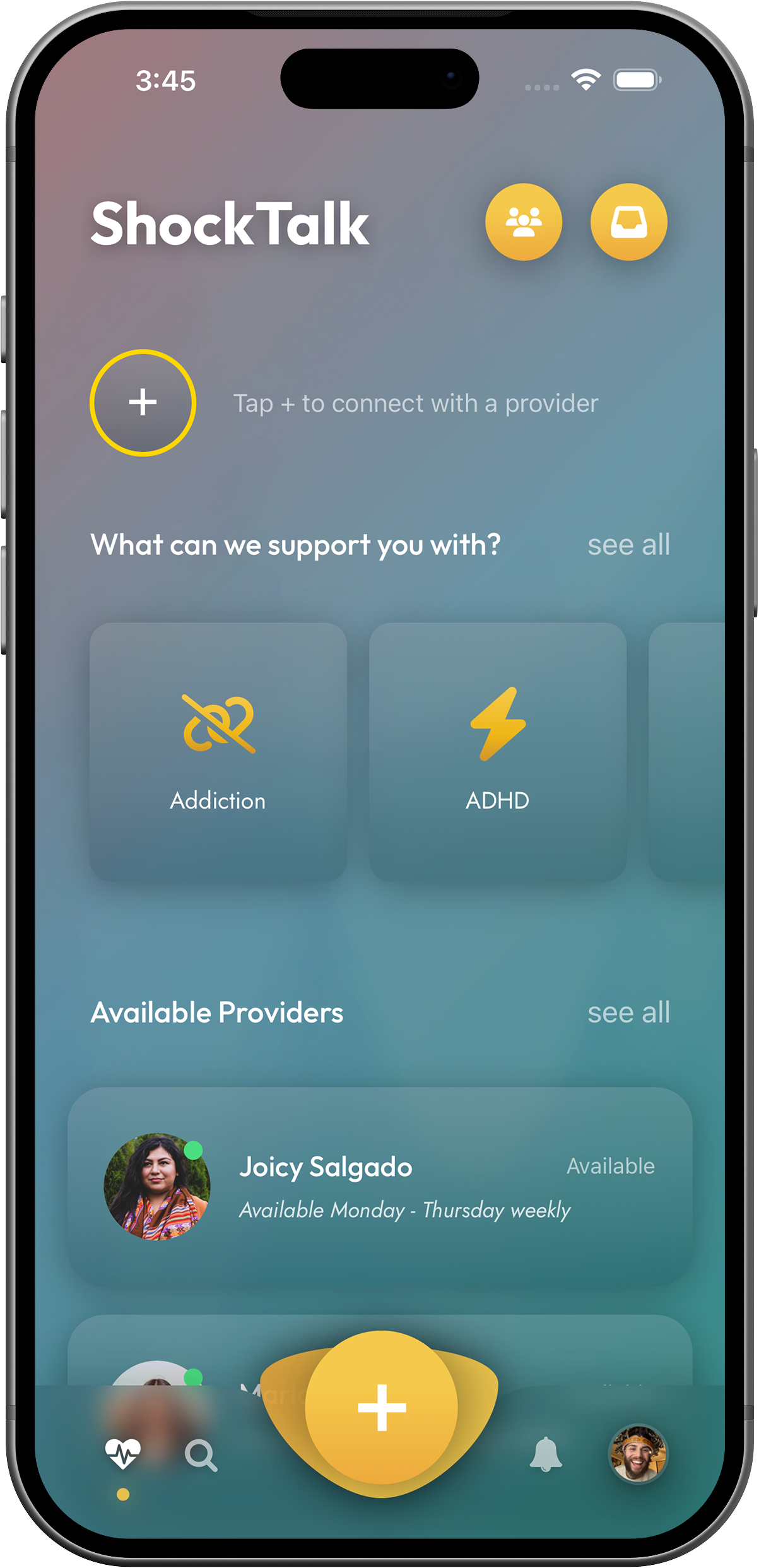
ShockTalk’s signature glass UI is the brand — a distinctive, motion-aware mobile interface I designed in Sketch and built pixel-for-pixel in React Native, on a design system of type scale, color, spacing, and reusable components that holds across iOS, Android, and web. The product is culturally tailored telemental health for Indigenous communities, addressing unresolved historical and intergenerational trauma regardless of recognition status. Every flow, onboarding line, and interaction pattern traces back to a 70+ session discovery marathon across Indian Country.
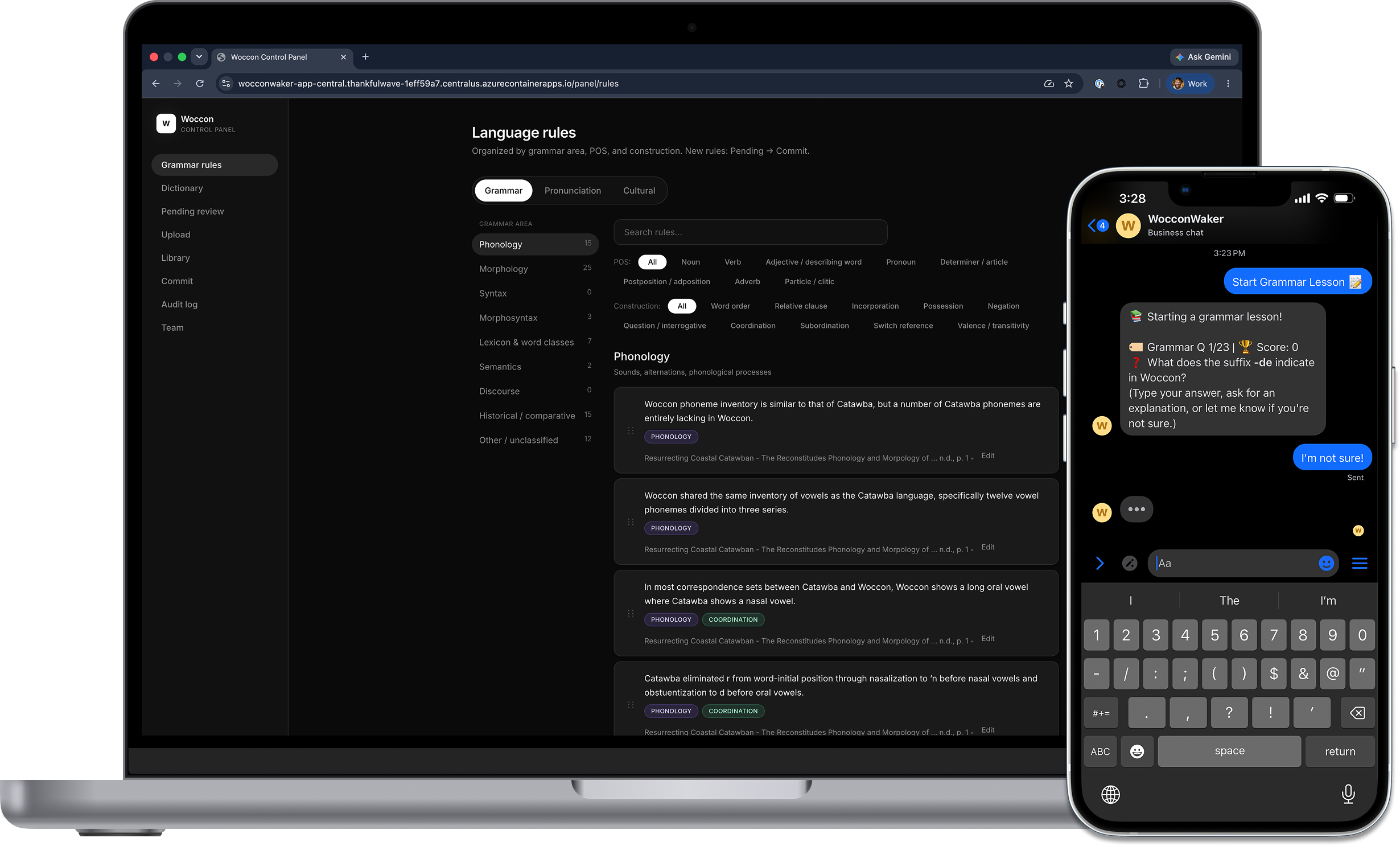
WocconWaker assists the learning and revitalization of Woccon, a dormant language historically spoken by Waccamaw people. Its AI agent turns scattered scholarship into an interactive teacher — answering questions about vocabulary, grammar, and pronunciation — while drawing every answer from a deterministic, community-reviewed database rather than guessing. The result is the most comprehensive Woccon resource available today.

Urban Indigenous Collective (UIC) is a 501(c)(3) non-profit based in New York City. I led a full redesign of the website to enhance the user experience as the organization entered a new chapter of growth. The new design strategically uses whitespace to balance the presentation of information-heavy content, including projects, community resources, and text-based materials, while introducing a fresh aesthetic inspired by plant medicine. The redesign was completed in Framer; production implementation was paused when funding for the build did not materialize.
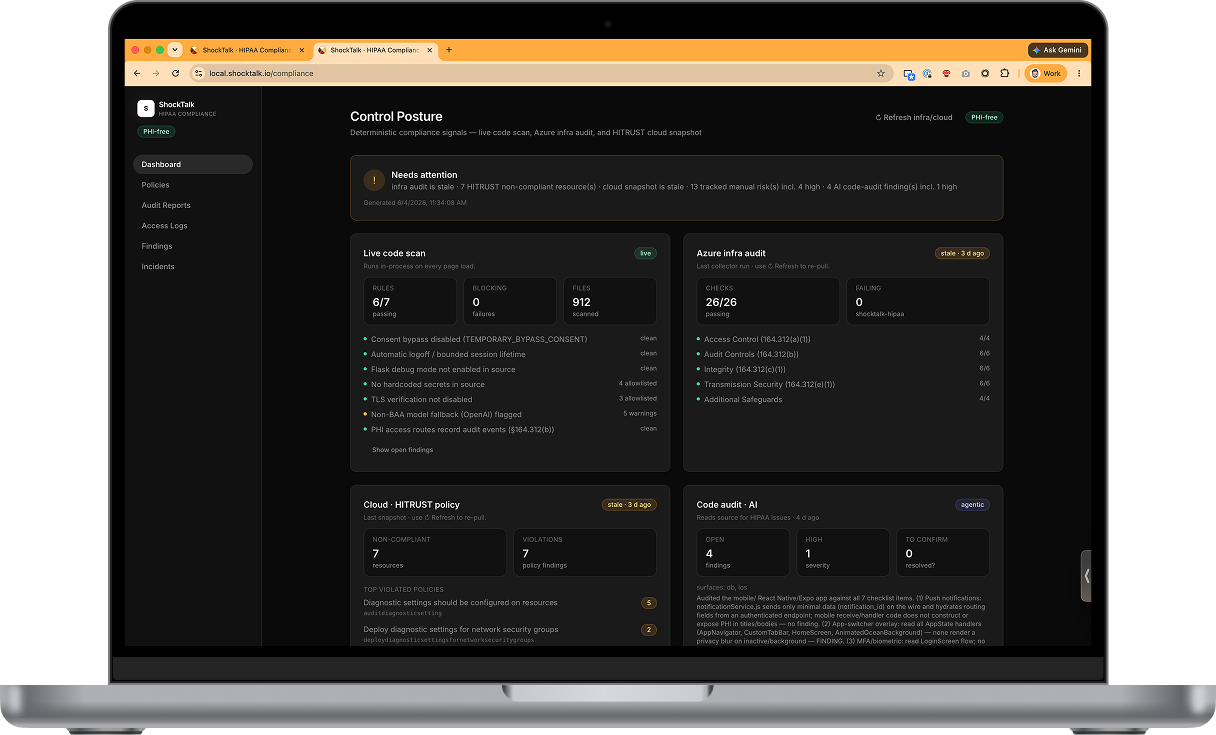
Managed HIPAA-compliant hosting can run $500 a month or more — untenable for an underfunded telehealth platform like ShockTalk. So I built ShockTalk’s HIPAA compliance directly on Azure’s HIPAA tooling, then designed the portal that makes it operable by one person: deterministic checks sweep the codebase and infrastructure daily, Claude Opus audits monthly for compliance drift, and git-tracked policies surface for re-signing the moment reality changes.

No product gives Indigenous advocates live, accurate data on MMIP legislation — no pipeline for it exists at all. I’ve been building one for Urban Indigenous Collective in iterations, each triggered by the last. First, automating the analysis: a tool that reads a bill and answers culturally tailored questions about it. Then automating search and discovery: a system that monitors all 50 state legislatures, LegiScan, and federal sources for legislation, executive orders, proclamations, and DOJ initiatives. That worked — which created the next problem. There are now 275 policies ready to publish and a front end that was never designed to hold them. The current phase is an interface overhaul, with community UX research defining which engagement features will actually drive adoption.
 Figma
Figma
 Sketch
 Framer
 React
React
 React Native
 TypeScript
 JavaScript
 Tailwind CSS
 HTML
HTML
 CSS
CSS
 Cursor
 Claude Code
 Claude
 GPT-4
GPT-4
 Llama
Llama
 Python
 Flask
Flask
 PostgreSQL
 Azure
Azure
 Airtable
 LegiScan
 Messenger